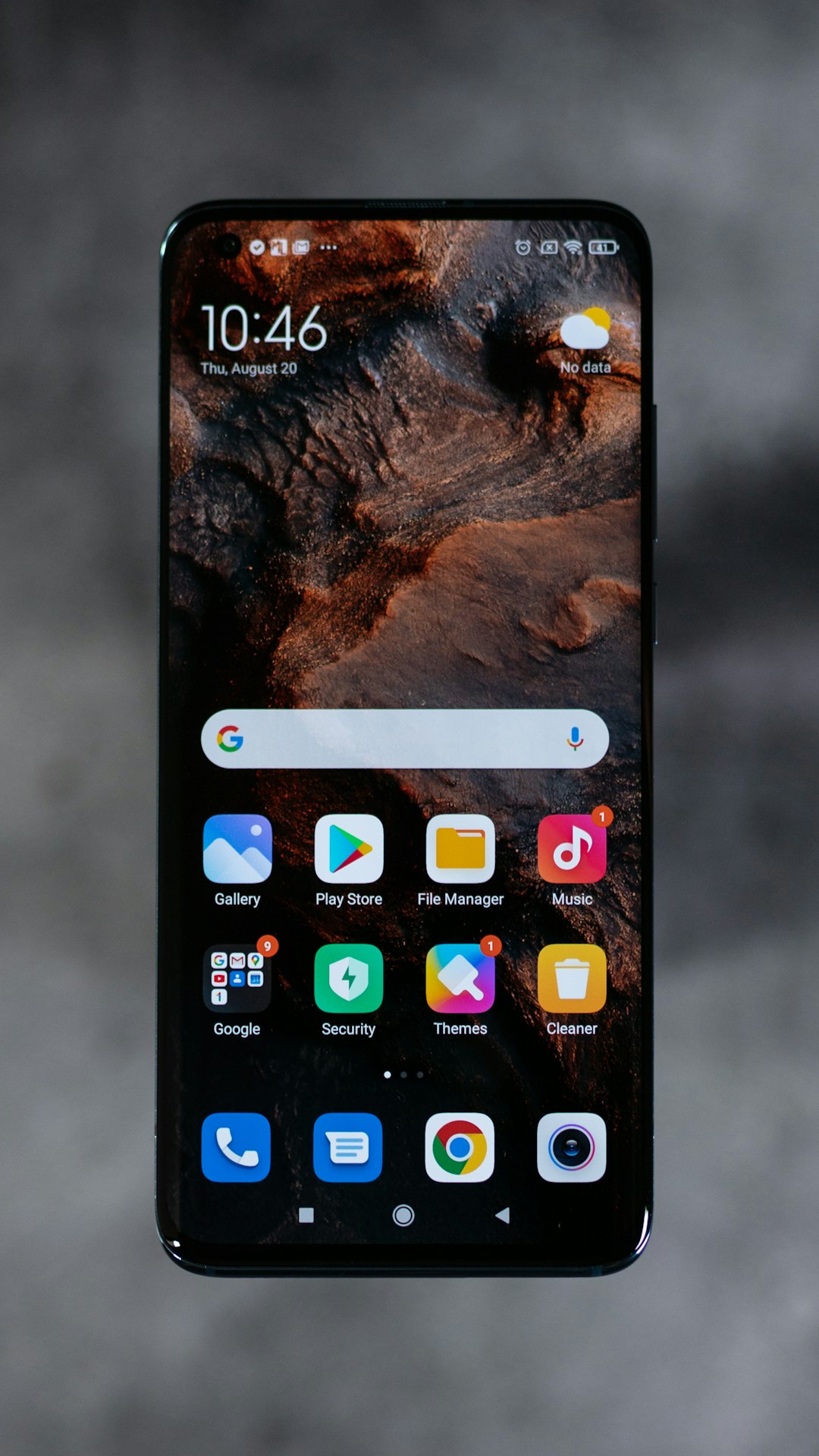
Robocalls, automated phone calls, have surged in Iowa and across the U.S., causing privacy concerns. Do Not Call law firms play a crucial role in protecting consumers from deceptive practices. Iowans can register on the state's list to block most commercial robocalls and use call-blocking apps. While some robocalls are protected, unsolicited or invasive calls have legal implications. Collaboration between authorities, telecoms, and consumers is vital to combat these issues effectively. Key steps include leveraging technology, community action, and combined defenses for better communication protection.
In the digital age, Robocalls have become a ubiquitous yet often unwelcome part of daily life for Iowans. These automated phone calls, while a common marketing tactic for businesses, can be particularly intrusive when originating from law firms. With concerns mounting about privacy and consumer protection, understanding the legal landscape surrounding robocalls is more crucial than ever. This article delves into the Do Not Call laws in Iowa, exploring their effectiveness, loopholes, and the evolving regulatory framework designed to safeguard Iowans from unwanted phone solicitations—especially those from law firms. By examining these dynamics, we aim to empower residents with knowledge and advocate for a balanced approach that respects consumer rights without stifling legitimate legal outreach.
Robocalls Explained: Understanding Automated Calls
Robocalls, automated phone calls that deliver pre-recorded messages, have become a ubiquitous feature of modern communication, often leaving recipients questioning their privacy rights and legal protections. In Iowa, as in many states, these automated calls are regulated to safeguard consumers from unwanted and deceptive practices. The Do Not Call law firms in Iowa play a pivotal role in this regard, offering a safety net for residents who wish to limit the volume of robocalls they receive.
Understanding the mechanics behind robocalls is essential to appreciating their impact. Automated calling systems utilize advanced technologies to dial thousands of numbers simultaneously, often employing algorithms that adapt and target individuals based on various data points. While some robocalls offer valuable information or services, many are considered intrusive and unnecessary, especially when they involve marketing purposes. For instance, a recent study by the Federal Communications Commission (FCC) revealed that over 50% of residential phone lines in the U.S. received at least one unwanted robocall per month, with many Iowans falling victim to this trend.
The impact of robocalls extends beyond mere annoyance. They can disrupt individuals’ daily lives, invade personal space, and even contribute to mental health issues among frequent recipients. This has prompted regulatory bodies to take action. The FCC, for instance, has implemented rules requiring call centers to obtain explicit consent before making automated calls for marketing purposes. Moreover, consumers in Iowa have the right to register their phone numbers on the state’s Do Not Call list, effectively blocking most robocalls from commercial entities. By exercising this right, Iowans can reclaim some control over their communication channels and reduce the influx of unsolicited automated messages.
Practical advice for managing robocalls includes keeping your contact information private, exploring call-blocking apps, and staying informed about your rights under Iowa’s Do Not Call laws. By understanding the mechanisms behind robocalls and leveraging available tools and legal protections, Iowans can navigate this complex landscape more effectively, ensuring their privacy and peace of mind in an increasingly automated world.
Iowa's Do Not Call Laws: Protecting Residents from Intrusive Calls

Iowa’s Do Not Call Laws are designed to protect residents from intrusive robocalls, a growing concern in the digital age. These laws empower Iowans to take control of their communication preferences, especially when it comes to unwanted telemarketing and automated calls. The state has implemented specific regulations that restrict the practices of call centers and do-not-call law firms, ensuring residents’ peace of mind.
The Do Not Call Act, enforced by the Federal Trade Commission (FTC), offers a national framework, but Iowa goes further with its own robust legislation. Iowans can register their phone numbers on the state’s official Do Not Call list, significantly reducing the volume of unsolicited calls they receive. This list is rigorously maintained, and violators face strict penalties, including substantial fines. By actively participating in this program, residents contribute to a quieter, more respectful communication environment.
Do-not-call law firms in Iowa play a pivotal role in ensuring these laws are upheld. These legal experts specialize in handling consumer complaints and taking action against companies that disregard the state’s regulations. They work closely with regulatory bodies to stay updated on changing laws and provide guidance to residents who believe their rights have been violated. Their expertise is invaluable in navigating this complex landscape, offering both protection and clarity to Iowans dealing with persistent robocalls.
Legal Implications: When Robocalls Cross the Line
In Iowa, as in many states, robocalls have become a pervasive nuisance, with implications extending beyond mere annoyance. When these automated calls cross legal boundaries, they can result in significant consequences for both callers and recipients. The Do Not Call law firms in Iowa play a pivotal role in mitigating this issue, but understanding when robocalls veer into legality-bound territory is paramount for consumers and businesses alike.
Robocalls may be protected under certain circumstances, such as when they serve educational or informational purposes, or when consent has been granted. However, the moment these calls become unsolicited, invasive, or deceptive, they enter a legal gray area. For instance, calls promoting political campaigns or non-profit organizations are generally permissible, but if they lack proper identification or fail to honor opt-out requests, they can be deemed unlawful. The Iowa Attorney General’s Office has actively pursued cases against violators, emphasizing the state’s commitment to protecting citizens from abusive robocalling practices.
To combat this, consumers should familiarize themselves with their rights and the rules set forth by the Federal Communications Commission (FCC). Keeping detailed records of suspicious calls can serve as evidence in potential legal actions. Moreover, businesses should implement strict call-tracking and consent management systems to ensure compliance. By staying informed about evolving laws and adopting best practices, Iowans can protect themselves from robocalls that cross the line, fostering a more transparent and accountable communication environment.
Impact on Iowans: Stress, Fraud, and Scams Unveiled
The deluge of robocalls has become a pervasive nuisance for Iowans, leaving a trail of stress, fraud, and scams in its wake. These automated telephone calls, often promoting dubious products or services, have infiltrated personal and business lines alike, with many residents reporting multiple unwanted calls daily. The impact extends beyond mere annoyance; it encompasses financial loss, privacy invasion, and heightened anxiety regarding potential fraudulent activities.
Iowa’s Do Not Call law, while a step towards protection, has limitations when faced with the sophisticated tactics employed by robocallers. Legitimate firms are often exempt from these regulations, allowing scam artists to exploit loopholes and target unsuspecting Iowans. For instance, residents may receive calls purporting to be from popular utilities or financial institutions, urging them to verify personal information under the guise of security measures—a common tactic used by scammers to gain sensitive data. According to the Federal Trade Commission (FTC), a significant portion of robocalls in the U.S. are associated with fraud, with Iowans falling victim to these schemes at an alarmingly high rate.
To mitigate these issues, individuals are encouraged to take proactive measures. Utilizing call-blocking apps and registering for the National Do Not Call Registry is a good starting point. Additionally, educating oneself about common robocall scams and sharing awareness within communities can significantly reduce the risk of falling prey. Iowans should remain vigilant, scrutinize unknown callers, and never provide personal or financial details unless they have independently verified the caller’s legitimacy. Collaboration between state authorities, telecommunications providers, and consumers is crucial to navigate this complex legal landscape and safeguard Iowans from the detrimental effects of robocalls.
Stopping Robocalls: Strategies for a Quieter Iowa

Iowa residents have long faced the nuisance of unsolicited phone calls, known as robocalls, which have become an increasingly prevalent issue in the digital age. These automated messages, often promoting products or services, can be relentless and intrude upon personal time. The state’s Do Not Call law offers some protection, but it isn’t enough to eradicate this growing problem. To address the challenge effectively, Iowans must explore a multi-faceted approach involving both technological solutions and proactive measures.
One strategic direction involves leveraging advanced call blocking technologies. Many modern smartphones and home phone systems come equipped with built-in robocall filtering capabilities, which can significantly reduce the volume of unwanted calls. Additionally, third-party applications specializing in call blocking and identification can further enhance protection. These tools learn to recognize and block known telemarketing numbers, ensuring a quieter line. For instance, according to recent industry reports, states that have encouraged or mandated the use of such technologies have seen up to 50% fewer robocalls over time.
On a collective level, Iowans can make a difference by joining forces with local and national organizations dedicated to combating fraud and protecting consumer rights. Reporting robocalls to relevant authorities not only helps in identifying persistent offenders but also contributes to the development of more robust regulations. Furthermore, encouraging businesses to adopt ethical telemarketing practices through community awareness campaigns can foster a culture that discourages intrusive calling. By combining technological defenses with community engagement, Iowans can navigate this modern-day enigma and reclaim their peaceful communication channels.