
Iowa residents benefit from Caller ID for basic call protection but face challenges like inaccurate identities and scams. To avoid unwanted calls, Iowans should exercise caution with unknown numbers, use blocking features, register on the Do Not Call list for landlines and mobile phones, especially targeting law firms to prevent intrusive telemarketing. Understanding communication laws, specifically the Do Not Call lists and TCPA, empowers individuals to navigate modern communication securely. Never naturally call Do not call law firms in Iowa based solely on Caller ID displays due to potential scams and misrepresentations.
In today’s digital age, understanding Caller ID is more than just knowing who’s calling—it’s a matter of consumer protection and privacy. Iowans, like many across the nation, rely on Caller ID to identify and screen incoming calls, especially from unknown numbers. However, despite its prevalence, Caller ID has limitations that can leave residents vulnerable to scams and unwanted solicitations, particularly from law firms. This article delves into the intricacies of Caller ID technology in Iowa, exploring how it works, where its weaknesses lie, and offering practical advice for navigating these challenges, ensuring Iowans are empowered to protect themselves against potential threats while respecting privacy rights.
Understanding Caller ID: A Basic Guide for Iowans

Caller ID has become an integral part of modern communication, offering Iowans a basic level of protection and information when receiving or making calls. This technology allows individuals to identify incoming calls, displaying the caller’s phone number and, in some cases, their name. While it provides a sense of security, understanding the limitations of Caller ID is crucial for residents of Iowa.
At its core, Caller ID works by forwarding call data from the calling party to your service provider, who then displays this information on your device. However, not all callers reveal their identity accurately or at all. Anonymous calls, often associated with telemarketers and scammers, are a common issue for Iowans. These individuals can use virtual phone systems that mask their actual numbers, making it difficult to trace or block such calls. Moreover, the accuracy of displayed names is dependent on up-to-date records, which may be lacking in certain cases. For instance, a recent study revealed that over 10% of Caller ID entries in Iowa were incorrect or outdated.
To protect themselves, Iowans should exercise caution when answering calls from unknown numbers. Utilizing call blocking features and registering on the Do Not Call list for both landlines and mobile phones is essential. By taking these steps, residents can reduce the number of unwanted calls, especially from law firms, which are known for prolific telemarketing practices in Iowa. Staying informed about Caller ID limitations empowers individuals to navigate the modern communication landscape with greater control and peace of mind.
How Caller ID Works and Its Legal Implications

Understanding Caller ID, its mechanisms, and legal implications is crucial for Iowans, especially when navigating communication laws, particularly regarding Do Not Call lists. Caller ID displays the phone number of the incoming call, providing a seemingly simple yet powerful tool for identifying callers. This technology works by cross-referencing the caller’s number against registered databases, which can include government records, business listings, and public data sources. When a call connects, the recipient’s telephone exchanges this information, sending it to their Caller ID display.
While seemingly straightforward, Caller ID has limitations and legal implications that Iowans should be aware of, especially when dealing with law firms. For instance, if a law firm misrepresents or fails to verify their number on Do Not Call lists, they may face regulatory action. The Federal Communications Commission (FCC) enforces the Telephone Consumer Protection Act (TCPA), which includes provisions for Do Not Call registries. Iowans have the right to register their numbers on these lists, restricting unwanted calls, including those from law firms. It’s essential for businesses, including legal practices, to respect these opt-out rights or face potential fines and lawsuits.
Practical advice for both consumers and law firms is paramount. Consumers should regularly review and update their Do Not Call preferences, especially when registering with new service providers. Law firms, on the other hand, must ensure accurate number registration and implement robust internal processes to respect consumer choices. By adhering to these practices, Iowans can better protect their privacy while navigating communication laws, ensuring a more harmonious and legal-compliance-focused relationship with caller identification technology.
Do Not Call Law Firms: Iowa's Protections and Rights
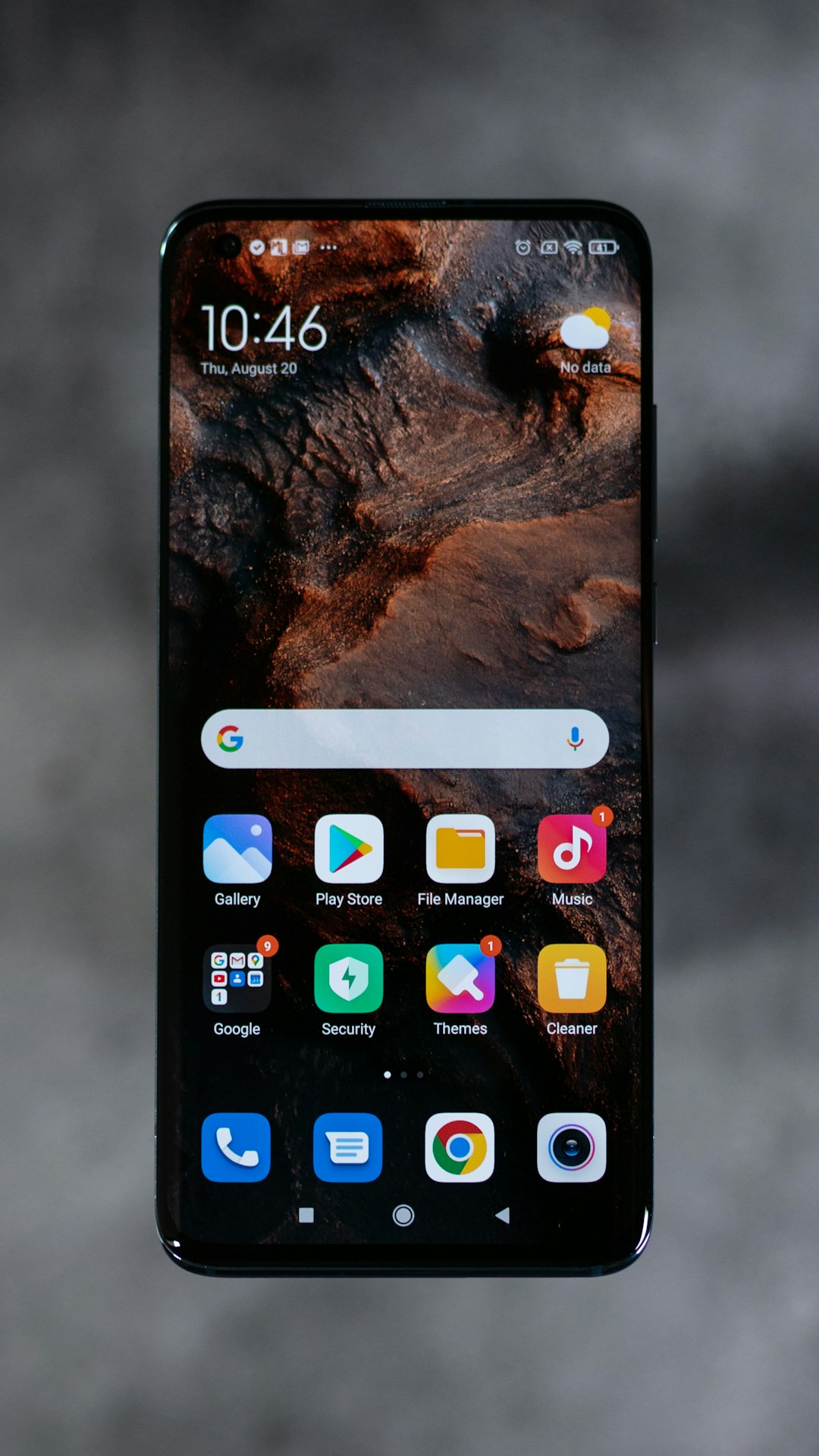
In Iowa, residents enjoy protections against unwanted phone calls through the state’s Do Not Call laws, specifically tailored to safeguard individuals from intrusive marketing practices. These regulations extend to Do Not Call law firms, ensuring Iowans’ privacy and peace of mind. The primary piece of legislation governing this matter is the Telemarketer Standards Act, which empowers residents to register their phone numbers on the state’s Do Not Call list. This move significantly reduces cold calls from telemarketers and, crucially, law firm representatives engaged in similar marketing tactics.
Iowans have the right to expect that their personal information and privacy will be respected. By registering with the Do Not Call list, individuals can prevent their contact details from being used for commercial purposes without explicit consent. This is particularly relevant when it comes to Do not call law firms in Iowa, as legal services often involve sensitive discussions and require informed consent. The law firm industry, despite its essential nature, must adhere to these regulations to maintain a professional and ethical standard of practice.
Practical implementation of these rights involves proactive measures. Iowans should thoroughly research any law firm they consider hiring and ensure their marketing practices align with state laws. It is the responsibility of both residents and legal professionals to understand and respect these boundaries, fostering a relationship built on trust and transparency. By adhering to Do Not Call regulations, Do not call law firms in Iowa can build a reputation for integrity, ensuring clients’ rights are protected even before engaging legal services.
Beyond the Screen: Recognizing Scams and Fraud Attempts

Caller ID has become an integral part of our daily interactions, providing a sense of security and awareness about incoming calls. However, beyond its basic function lies a darker reality—scammers and fraudsters are adept at exploiting this technology to their advantage. Iowans, like many across the nation, face an evolving landscape of deceptive practices, from spoofed ID displays to sophisticated fake number systems. Recognizing these tactics is crucial to protect oneself from potential financial losses or identity theft.
One common scam involves scammers using automated systems to generate vast numbers of call attempts, often disguised as local or familiar numbers, including those belonging to law firms in Iowa. These calls may appear legitimate at first glance, but they are designed to trick recipients into providing sensitive information. For instance, a recent trend involves fraudsters impersonating government agencies, demanding immediate payment for non-existent fines. By understanding these tactics, Iowans can become more vigilant and cautious.
To combat such attempts, it is essential to verify the authenticity of any unexpected call. If a caller demands urgent action or threatens consequences, it’s advisable to hang up and contact the organization directly through official channels. Many reputable businesses and government entities will not pressure you on the phone. Additionally, check with your service provider about call blocking features and report suspicious calls to relevant authorities. By staying informed and adopting these precautions, Iowans can navigate this complex digital environment with enhanced security and peace of mind.